Brampton Commercial Hygiene
Your facility requires consistent cleaning schedules tailored to specific risks, processing volumes, food allergens, and regulatory visits, with verifiable documentation confirming food safety measures, inspection compliance, and health department standards. The details below provide guidance on sanitation program requirements.
Key Takeaways
- Brampton sanitation experts support restaurants, grocery departments, commissaries, warehouses, bakeries, schools, mobile vendors, and allergen-sensitive operations.
- Cross-contamination elimination is achieved by cleaning high-touch surfaces, food-contact equipment, kitchens, floors, drains, restrooms, and storage areas with zone-based workflows.
- Confirmation of approved sanitizer dilution, suitability, and exposure duration is completed by qualified contractors, with finalization documented using samples, audits, and remedial documentation.
- Cleaning timelines should respect hazard, production rate, switches, accidents, and guidelines, with daily, periodic, and periodic activities distributed by section.
- Focus on contractors displaying hazard analysis knowledge, health regulatory expertise, safety training training, protection, testimonials, color-coded tools, and assessment-ready hygiene paperwork.
What Brampton Facilities Require Food Safety Cleaning?
Brampton facilities that handle, store, prepare, package, or serve food require food sanitation. Implement it if your facility is regulated by public health inspection, food premises regulations, or internal HACCP-based controls. The requirement covers eateries, dining facilities, warehouses, supermarket areas, meat counters, fish departments, retail outlets, and institutional kitchens.
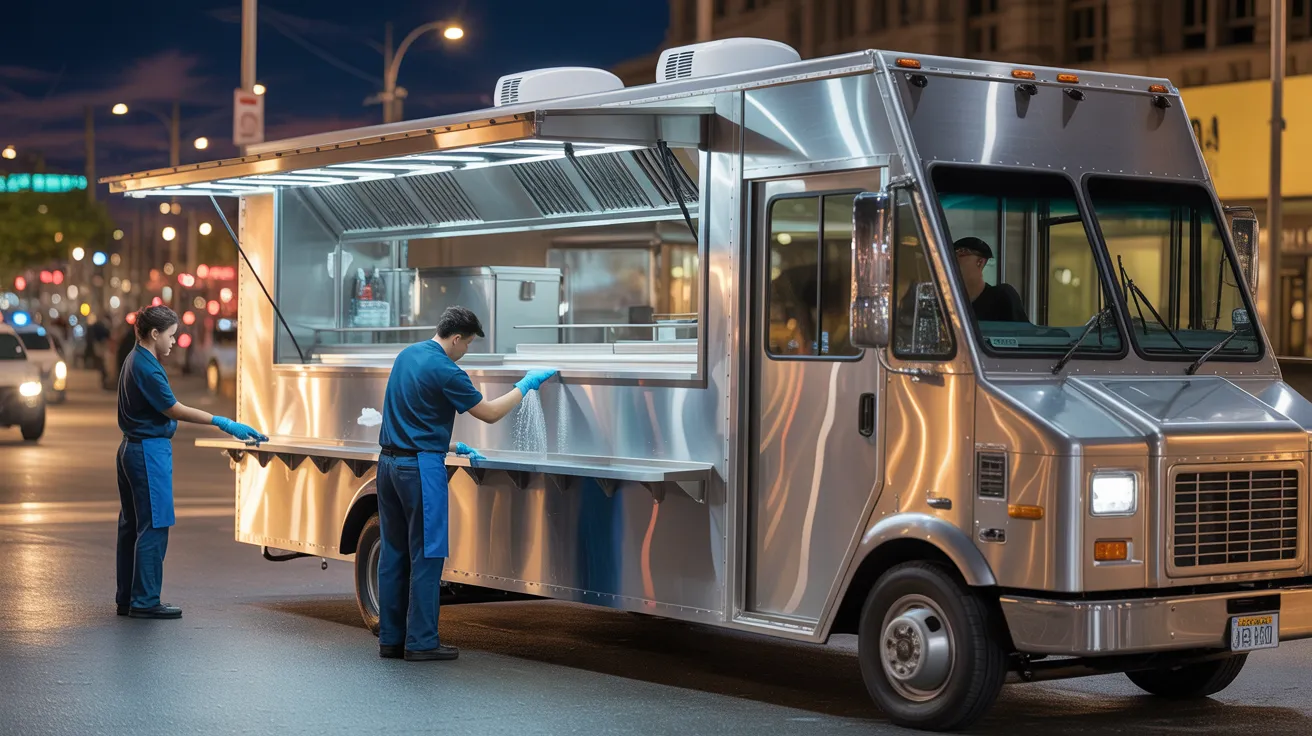
You also need adherent sanitation protocols in warehouses, food manufacturing plants, cold storage sites, retail bakeries, school nutrition programs, banquet halls, and meal delivery hubs. Mobile and seasonal operations count too, including catering vehicles, market vendors, and seasonal stalls. If your staff handle ingredients, section prepared foods, heat finished items, or keep allergens stored, your facility needs established sanitation documentation. In Brampton, cleanliness isn't discretionary; it's part of legal, operational, and consumer protection compliance.
What Services Do Brampton Cleaning Experts Provide?
You require experienced cleaning professionals who disinfect high-touch surfaces, cooking areas, floor areas, and bathrooms to ensure compliance with food safety and health standards. These areas are targeted due to their high cross-contamination potential, falling hazards, and health code violations.
Understanding their cleaning procedures allows you to confirm your facility's cleaning meets operational demands and regulatory compliance.
High-Touch Surface Sterilization
assign how often each area is sterilized
By replacing towels, following sequential systems, and dividing sanitization equipment according to zone, you ensure a verifiable, justified, and compliance-ready sanitation system.
Kitchens, Floors, and Restrooms
Professional cleaners in Brampton prioritize kitchens, floors, and restrooms given that each location involves specific food safety, falling hazards, and public health requirements. In industrial kitchens, you need grease removal from cooking stations, appliance surfaces, drain systems, preparation areas, and backsplashes to minimize bacterial growth and pest activity.
Professional floor upkeep with documentation is also included. is likewise provided as part of the service.
In restrooms, cleaners disinfect touchpoints, fixtures, partitions, dispensers, and waste containers then restock supplies and control odours. They also maintain restaurant cleaning supply rooms where product storage, sink cleanliness, and drain systems impact daily sanitation standards and worker protection.
Why Food Safety Cleaning Matters in Brampton
In Brampton, you must copyright food-safe cleaning standards to satisfy health code requirements and achieve compliance. You also reduce cross-contamination by cleaning and sanitizing food-contact surfaces, equipment, and high-touch areas correctly. Most importantly, you help protect public health by lowering the risk of foodborne illness in your facility.
Health Code Compliance
Brampton food operations must comply with strict public health standards, so sanitation practices is vital to satisfying health codes, protecting customers, and avoiding penalties. You must maintain hygienic food handling zones, written maintenance records, appropriate product handling, and verifiable staff procedures that align with municipal and provincial inspection expectations.
Inspectors examine your operation to establish that your cleaning procedures maintains protected inventory management, appliance cleanliness, waste handling, and bathroom upkeep.
Cross-Contamination Prevention
Maintaining health code standards copyrights on your power to stop cross-contamination during daily food handling and cleaning. You must separate raw ingredients from ready-to-eat foods, sanitize prep surfaces between tasks, and position cleaning agents away from food surfaces. Explicit protocols lower contamination threats and support consistent compliance during inspections.
You could implement allergen segregation to stop main allergens from reaching common areas, containers, or machinery. Use dedicated cutting boards, color-coded tools, and rigorous tool identification so staff don't mix items throughout cooking or delivery. Enforce washing hands following raw meat, seafood, eggs, or allergen-containing products. Change wiping cloths regularly, and test disinfectant concentration using strips. When employees learn these procedures every shift, you develop a more sanitary, secure business that matches Brampton's safety requirements daily.
Public Health Protection
If proper sanitation deteriorates, you don't merely face potential inspection issues—you boost the probability of foodborne illness affecting customers, staff, and the broader Brampton region. You also undermine your responsibility in safeguarding community wellness, especially in high-traffic food premises where contamination can spread quickly through surfaces, equipment, and touchpoints.
You must implement sanitation protocols that eliminate contaminants, effectively sanitize, and verify results. This entails adhering to contact periods, utilizing authorized sanitizers, recording schedules, and coaching staff to fulfill health-unit expectations. These initiatives promote pathogen control by suppressing pathogens before contaminating food or hands. In Brampton, robust sanitation protects at-risk groups, minimizes disease spread, and proves your diligence. When you maintain standards, you exceed requirements—you meaningfully lower danger and promote secure food service throughout the city.
How Can Cleaning Practices Ensure Food Safety Compliance?
Comprehensive cleaning schedules strengthen food safety compliance by minimizing contamination hazards, controlling pathogen growth, and maintaining your facility's adherence to sanitation requirements under HACCP-based programs and public health regulations. You confirm that food-handling surfaces are visibly clean and microbiologically controlled, backing documented preventive controls and inspection readiness.
Effective cleaning also enhances allergen control by removing residues that can cause undeclared allergen exposure. by clearing residues that can cause undeclared allergen exposure.
How Should You Arrange Commercial Cleaning Work?
Elevate cleaning pace during peak production, production changeovers, spillage occurrences, and following maintenance work.
daily routines
Selecting the Right Brampton Cleaning Experts: Key Considerations
Start by screening providers against food-safe sanitation requirements, not price alone. You should verify that each company understands CFIA, public health, and HACCP-aligned expectations relevant to your facility. Ask for insurance documentation, WHMIS compliance, documented staff training, and supervision practices. Review whether technicians understand contamination prevention, chemical handling, and traceable sanitation records.
You should further examine service consistency and answerability. Request testimonials from Brampton food businesses, then review reply speed, corrective-action procedures, and communication protocols. Validate the company supports supplier audits and can supply compliance documentation to regulators or external parties. Confirm equipment receives maintenance, color-coded implements are applied correctly, and facility-specific risks are identified. A qualified provider protects compliance, product integrity, and your brand reputation.
Which elements are part of a Food Safety Cleaning Plan?
Develop a written strategy that clarifies every sanitation task, standard, and responsibility before production begins. You should detail cleaning schedules, authorized chemicals, concentration levels, contact duration, implements, and validation techniques for each zone, surface, and piece of equipment. Incorporate pre-operational inspections, corrective actions, and employee training requirements.
Your strategy should also address cross-contamination controls, waste handling, pest-prevention measures, and documented schedules for rest areas, drains, flooring, and food-contact surfaces. Describe how you'll separate raw and ready-to-eat processes, support ingredient tracking, and maintain accurate allergen labeling through validated cleaning between product changes. You should set accountability, keep signed records, and review results against regulatory standards, HACCP controls, and customer requirements. When gaps appear, update procedures immediately and instruct staff.
Frequently Posed Questions
Do sanitation providers work during nighttime hours at Brampton facilities?
If you operate controlled facilities, you'll also need documentation that enable audits and maintain compliance.
Will Brampton cleaning experts respond to hazardous incidents?
Yes, you can expect Brampton sanitation professionals who offer emergency spill response services. They handle contamination, assess risks, contain contamination, and start rapid decontamination to reduce exposure and prevent business interruption. You should verify arrival timeframes, professional credentials, PPE protocols, and waste management. If your facility must comply with industry standards, choose a provider that documents incidents, maintains regulatory procedures, and supports audit readiness.
Will green disinfectants disinfect safely food-contact surfaces?
Yes, natural disinfectants can be suitable for food preparation areas if you opt for products labeled food safe and complying with regulations. You should validate application timing, dilution ratios, and rinse procedures before application. Many natural-based solutions minimize chemical hazards, but you still need demonstration of efficacy against relevant pathogens. To keep surfaces residue-free, you should follow precise manufacturer instructions and verify the sanitizer adheres to relevant food safety standards.
Do maintenance plans permit seasonal shifts?
Absolutely, cleaning plans can be customized for seasonal production changes. Revise intervals, staffing, chemicals, and confirmation procedures to correspond to operational cycles while sustaining regulatory requirements. Reduce production downtime through organizing sanitization around changeovers, peak seasons, and usage patterns. Additionally, update written procedures, instruction programs, and facility monitoring to reflect temporary risks, new allergens, or increased soil loads. Ongoing evaluations ensure your program efficient.
Do professional cleaners instruct staff members in sanitation best practices?
Absolutely, professional cleaning companies regularly deliver employee education on sanitation best practices. Your staff receives instruction on proper chemical use, dwell times, contamination avoidance, machine takedown, and documentation. They typically align guidance with HACCP, GMP, and CFIA or regional health authority requirements. Many conduct health inspections to verify compliance, identify gaps, and reinforce corrective actions. This helps you maintain uniform standards, clear audits, and lower contamination dangers consistently.
Conclusion
Partnering with Brampton food safety and commercial cleaning experts means more than cleaning—it ensures your facility meets inspection standards and your protocols remain compliant. From processing facilities to kitchens, each cleaned area and organized section lessens contamination risk and avoids costly disruptions. By scheduling maintenance on appropriate schedules and implementing a thorough cleaning program, you protect full article staff, your customers, and your image. In a tightly controlled market, sanitary conditions can't be overlooked—they're vital to proper management.